
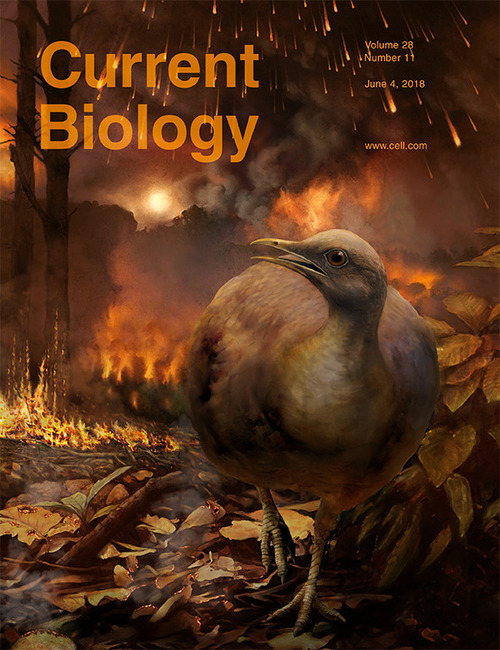
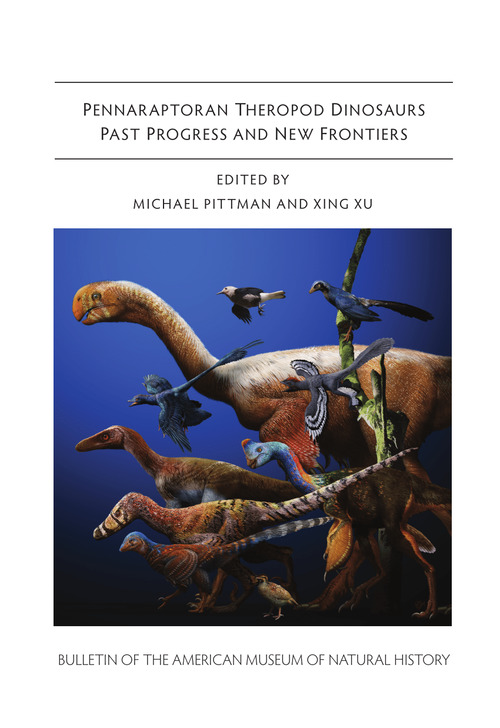
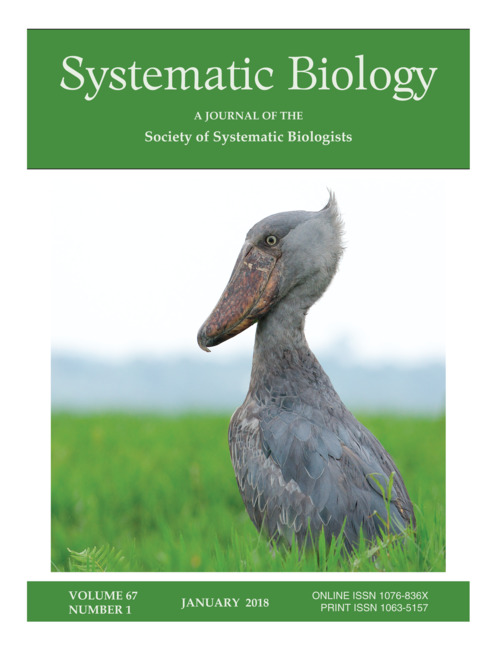
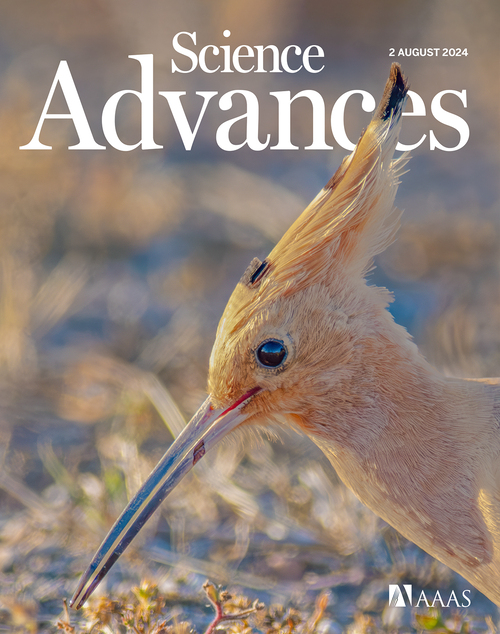
Selected Covers

Current Biology cover AMNH Bulletin cover Systematic Biology cover Science Advances cover

Methods Synthesis

Interdisciplinarity Braid Across Publications

This panel shows how Jacob Berv’s publications connect inference scale to method families and then to research focus areas. It summarizes the interdisciplinary structure of the published portfolio in a single view. Wider flows indicate the connections that recur most frequently across studies.

Heuristic order reduces crossings.

Source data: _publications/*.md + _data/publication_tags.yml + _data/research_method_tags.yml

Legend: node height = share of total flow; ribbon width = frequency across papers.

  • 21 tagged outputs
  • 12 method families represented
  • Avg method tags/output: 14.76
  • Avg theme groups/output: 2.57

Construction rule: each publication contributes total weight 1.0, split evenly across observed theme-group x method-family combinations and method-family x scope combinations. “Methods-Oriented” is a research focus area, while method families are technical workflows from method_tags.

For pairwise method-family co-use, see the Method Co-Use Network on the Research page.

Jump to: 20262025202420232022202120202019201820152014

2026

  • Exploring the data demands and global opportunities for reconstructing morphological responses to climate change

    article · birds, mammals, climate-change, morphology, museum-collections

    DOI PDF Read more

    Abstract

    There is growing evidence that morphological change is a widespread response to the warming climate. The empirical basis for understanding this process has, to date, largely been correlative analyses of morphological time series. However, it is not clear what constitutes sufficient temporal sampling for assessing long-term morphological change. We analyzed two long-term high-quality morphological datasets, one including 33 species of birds collected over 37 years and one including 11 species of mammals collected over 40 years. We find that the number of years of data needed to accurately characterize trends in functional traits varies by trait and taxonomic group. For birds, accurately estimating the trend of morphological changes 95% of the time requires data from a minimum of 14 years for bill length, 19 years for tarsus length, and 20 years for wing length. For mammals, 31 years of hind-foot length data and 36 years of weight data are needed to achieve the same level of accuracy in trend estimates. Using these minimum sampling thresholds, we identify where in the world there are sufficient museum holdings to reconstruct long-term trends in morphology. Museum specimens have a critical benefit that is not available from other long-term data sources: collected, vouchered, specimens can be analyzed in new and standardized ways designed to understand morphological responses to climate change. We find that there are many opportunities to reconstruct morphological change in birds and, to a smaller degree, in mammals using museum specimens though sufficient sampling is not available for the vast majority of the globe. Most of the sites at which there is sufficient sampling are in the Northern Hemisphere and are concentrated in the United States and Europe. Expanding long-term animal capture efforts will be critical to enabling a more holistic understanding of biotic responses to global change in the future.

2025

  • Morphological diversity of the cetacean mandibular symphysis coincides with novel modes of aquatic feeding

    Student advisee:Strauch, R. J.

    article · cetaceans, mammals, morphology, macroevolution

    DOI PDF Read more

    Abstract

    In whales, extreme modifications to the ancestral mammalian feeding apparatus facilitate novel modes of aquatic feeding. These modifications manifest in morphological diversity across a suite of characters, including the mandibular symphysis. Cetaceans span a range of symphyseal morphologies, with one lineage (crown mysticetes) evolving a highly mobile condition unique among mammals. Here, we use phylogenetic comparative methods to examine the evolution of symphyseal fusion and elongation across 206 extant and fossil cetacean taxa. Ancestral state reconstructions corroborate observations from the fossil record that suggest the ancestral condition for Cetacea was a fused, moderately elongated symphysis. Shifts in symphyseal morphology coincided with ocean restructuring and diversification of feeding modes. Evolutionary rates peaked in the middle-late Eocene and at the Eocene/Oligocene boundary as whales evolved shorter, unfused symphyses. During the Eocene, ankylosed mandibles became less common with the appearance of increasingly pelagic whales. Mysticetes evolved decoupled, highly mobile mandibles near the Eocene/Oligocene boundary. Several odontocete lineages underwent a trait reversal and converged on fully fused, elongated mandibles in the Miocene. Analyses evaluating the influence of ecological variables indicate strong correlations in feeding strategy, dentition, and prey type. The loss of prey-processing behavior and changes to masticatory loading regimes may explain concurrent trends in symphyseal morphology and tooth simplification. We suggest that the functional and morphological diversity of the symphysis in whales is a consequence of aquatic feeding imposing different mechanical constraints than those associated with feeding on land.

  • Skeletal trait measurements for thousands of bird species

    Student advisee:Probst, C. M.

    article · birds, morphology, functional-traits, museum-collections

    DOI PDF Read more

    Abstract

    Large comparative datasets of avian functional traits have been used to address a wide range of questions in ecology and evolution. To date, this work has been constrained by the limited availability of skeletal trait datasets that include extensive inter- and intra-specific sampling. We use computer vision to identify and measure bones from photographs of museum skeletal specimens to assemble an extensive dataset of functionally important skeletal elements in birds. The dataset spans 2,057 species of birds (Aves: Passeriformes) and includes measurements of 12 skeletal elements from 14,419 individuals. In addition to the trait values directly measured from photographs, we leverage the multidimensional nature of our dataset and known phylogenetic relationships of the species to impute missing data under an evolutionary model. To facilitate use of the dataset, the taxonomy has been reconciled with an existing comprehensive avian phylogeny and an additional dataset of external functional traits for all birds.

  • Habitat-associated evolutionary rates in deep-sea invertebrates

    article · invertebrates, deep-sea, molecular-evolution, life-history

    DOI PDF Read more

    Abstract

    In environments where resources occur as ephemeral patches within a matrix of resource scarcity, patch characteristics can strongly affect organisms’ life-history traits. Depending on patch longevity, life histories may evolve to match the availability of resources, potentially resulting in deterministic patterns of evolution. In the deep sea, organic falls, hydrothermal vents, and cold seeps create patches of high productivity that persist over different lengths of time, ranging from decades to millennia. Using publicly available data for mitochondrial CO1, we examined the relationship between habitat type and rates of molecular evolution among mussels (Mytilidae: Bathymodiolinae) and tubeworms (Siboglinidae), two clades that have diversified in these deep-sea environments. We observed an inverse relationship between habitat longevity and rates of mitochondrial sequence evolution, supporting the hypothesis that resource longevity structures life-history variation. Contrary to expectation, animal size does not correlate with rates of molecular evolution after accounting for phylogeny. Within both clades, species that specialize on organic falls exhibit faster substitution rates than related species at vents and seeps. The similar patterns recovered in two deeply diverged phyla suggest that the proposed relationship between resource longevity and rates of molecular evolution may be widespread.

2024

  • Variable patterns of phenotypic evolution among canonical ‘living fossil’ lineages

    Student advisee:Rivero-Vega, R. A.

    preprint · fishes, morphology, macroevolution

    DOI PDF Read more

    Abstract

    Coelacanths, lungfishes, and holosteans represent three emblematic living fossil lineages, thought to be united by similar patterns of phenotypic change through time. While past studies suggest that diverse evolutionary patterns occur within these groups, it is unclear whether these reflect biological differences or arise from contrasting analytical approaches. Here, we examine these lineages under a common framework to assess variation in the evolution of discrete characters, and morphometric shape data, to test whether living fossils show comparable patterns of phenotypic evolution. Our results suggest different evolutionary modes occur, both among and within lineages, as a function of data type. For lungfishes, rates in discrete characters are highest in the Devonian and monotonically decline over time. Coelacanth rates show multiple early peaks followed by a decline toward the recent. Holostean rates show modest peaks but are broadly comparable over time. Patterns of body shape evolution also differ among clades, with strong support for declining rates over time for coelacanths but mixed evidence for similar dynamics in the other groups. Our results imply idiosyncratic processes of evolutionary change among traditional examples of living fossils and indicate a need to explicitly quantify patterns of change rather than apply informal, often qualitative, macroevolutionary classifications.

  • Genome and life-history evolution link bird diversification to the end-Cretaceous mass extinction

    Student advisees:Walker-Hale, N.; McHugh, W. S.

    article · birds, mass-extinction, molecular-evolution, macroevolution

    DOI PDF GitHub Read more

    Abstract

    Complex patterns of genome evolution associated with the end-Cretaceous [Cretaceous-Paleogene (K–Pg)] mass extinction limit our understanding of the early evolutionary history of modern birds. Here, we analyzed patterns of avian molecular evolution and identified distinct macroevolutionary regimes across exons, introns, untranslated regions, and mitochondrial genomes. Bird clades originating near the K–Pg boundary exhibited numerous shifts in the mode of molecular evolution, suggesting a burst of genomic heterogeneity at this point in Earth’s history. These inferred shifts in substitution patterns were closely related to evolutionary shifts in developmental mode, adult body mass, and patterns of metabolic scaling. Our results suggest that the end-Cretaceous mass extinction triggered integrated patterns of evolution across avian genomes, physiology, and life history near the dawn of the modern bird radiation.

2023

  • The genomic landscape, causes, and consequences of extensive phylogenomic discordance in Old World mice and rats

    Student advisee:Hughes, J. J.

    preprint · rodents, phylogenomics, molecular-evolution, phylogenetics

    DOI PDF Read more

    Abstract

    A species tree is a central concept in evolutionary biology whereby a single branching phylogeny reflects relationships among species. However, the phylogenies of different genomic regions often differ from the species tree. Although tree discordance is often widespread in phylogenomic studies, we still lack a clear understanding of how variation in phylogenetic patterns is shaped by genome biology or the extent to which discordance may compromise comparative studies. We characterized patterns of phylogenomic discordance across the murine rodents (Old World mice and rats) - a large and ecologically diverse group that gave rise to the mouse and rat model systems. Combining new linked-read genome assemblies for seven murine species with eleven published rodent genomes, we first used ultra-conserved elements (UCEs) to infer a robust species tree. We then used whole genomes to examine finer-scale patterns of discordance and found that phylogenies built from proximate chromosomal regions had similar phylogenies. However, there was no relationship between tree similarity and local recombination rates in house mice, suggesting that genetic linkage influences phylogenetic patterns over deeper timescales. This signal may be independent of contemporary recombination landscapes. We also detected a strong influence of linked selection whereby purifying selection at UCEs led to less discordance, while genes experiencing positive selection showed more discordant and variable phylogenetic signals. Finally, we show that assuming a single species tree can result in high error rates when testing for positive selection under different models. Collectively, our results highlight the complex relationship between phylogenetic inference and genome biology and underscore how failure to account for this complexity can mislead comparative genomic studies.

  • The pace of mitochondrial molecular evolution varies with seasonal migration distance

    Student advisees:Pegan, M. T.; Gulson-Castillo, E.R.

    article · birds, molecular-evolution, life-history, migration

    DOI PDF Read more

    Abstract

    Animals that engage in long-distance seasonal migration experience strong selective pressures on their metabolic performance and life history, with potential consequences for molecular evolution. Species with slow life histories typically show lower rates of synonymous substitution (dS) than "fast" species. Previous research suggests long-distance seasonal migrants have a slower life history strategy than short-distance migrants, raising the possibility that rates of molecular evolution may covary with migration distance. Additionally, long-distance migrants may face strong selection on metabolically-important mitochondrial genes due to their long-distance flights. Using over 1,000 mitochondrial genomes, we assessed the relationship between migration distance and mitochondrial molecular evolution in 39 boreal-breeding migratory bird species. We show that migration distance correlates negatively with dS, suggesting that the slow life history associated with long-distance migration is reflected in rates of molecular evolution. Mitochondrial genes in every study species exhibited evidence of purifying selection, but the strength of selection was greater in short-distance migrants, contrary to our predictions. This result may indicate effects of selection for cold tolerance on mitochondrial evolution among species overwintering at high latitudes. Our study demonstrates that the pervasive correlation between life history and molecular evolutionary rates exists in the context of differential adaptations to seasonality.

2022

  • CRAN Task View: Phylogenetics

    software · software-tools, phylogenetics, community-resource

    External link Read more

    Abstract

    This CRAN Task View curates R packages for handling and analyzing phylogenetic trees, applying comparative phylogenetic methods, and supporting phylogenetic analyses across disciplines.

2021

  • Ecological selectivity and the evolution of mammalian substrate preference across the K-Pg boundary

    Student advisee:Hughes, J. J. · *Equal contribution:Hughes, J. J.; Berv, J. S.

    article · mammals, mass-extinction, macroevolution

    DOI PDF GitHub Read more

    Abstract

    The Cretaceous–Paleogene (K–Pg) mass extinction 66 million years ago was characterized by a worldwide ecological catastrophe and rapid species turnover. Large-scale devastation of forested environments resulting from the Chicxulub asteroid impact likely influenced the evolutionary trajectories of multiple clades in terrestrial environments, and it has been hypothesized to have biased survivorship in favour of nonarboreal lineages across the K–Pg boundary. Here, we evaluate patterns of substrate preferences across the K–Pg boundary among crown group mammals, a group that underwent rapid diversification following the mass extinction. Using Bayesian, likelihood, and parsimony reconstructions, we identify patterns of mammalian ecological selectivity that are broadly similar to those previously hypothesized for birds. Models based on extant taxa indicate predominant K–Pg survivorship among semi- or nonarboreal taxa, followed by numerous independent transitions to arboreality in the early Cenozoic. However, contrary to the predominant signal, some or all members of total-clade Euarchonta (Primates + Dermoptera + Scandentia) appear to have maintained arboreal habits across the K–Pg boundary, suggesting ecological flexibility during an interval of global habitat instability. We further observe a pronounced shift in character state transitions away from plesiomorphic arboreality associated with the K–Pg transition. Our findings are consistent with the hypothesis that predominantly nonarboreal taxa preferentially survived the end-Cretaceous mass extinction, and emphasize the pivotal influence of the K-Pg transition in shaping the early evolutionary trajectories of extant terrestrial vertebrates.

  • Genomic phylogeography of the White-crowned Manakin Pseudopipra pipra (Aves: Pipridae) illuminates a continental-scale radiation out of the Andes

    Student advisee:Castro-Astor, I.

    article · birds, phylogeography, phylogenomics, biogeography

    DOI PDF Code Read more

    Abstract

    The complex landscape history of the Neotropics has generated opportunities for population isolation and diversification that place this region among the most species-rich in the world. Detailed phylogeographic studies are required to uncover the biogeographic histories of Neotropical taxa, to identify evolutionary correlates of diversity, and to reveal patterns of genetic connectivity, disjunction, and potential differentiation among lineages from different areas of endemism. The White-crowned Manakin (Pseudopipra pipra) is a small suboscine passerine bird that is broadly distributed through the subtropical rainforests of Central America, the lower montane cloud forests of the Andes from Colombia to central Peru, the lowlands of Amazonia and the Guianas, and the Atlantic forest of southeast Brazil. Pseudopipra is currently recognized as a single, polytypic biological species. We studied the effect of the Neotropical landscape on genetic and phenotypic differentiation within this species using genomic data derived from double digest restriction site associated DNA sequencing (ddRAD), and mitochondrial DNA. Most of the genetic breakpoints we identify among populations coincide with physical barriers to gene flow previously associated with avian areas of endemism. The phylogenetic relationships among these populations imply a novel pattern of Andean origination for this group, with subsequent diversification into the Amazonian lowlands. Our analysis of genomic admixture and gene flow reveals a complex history of introgression between some western Amazonian populations. These reticulate processes confound our application of standard concatenated and coalescent phylogenetic methods and raise the question of whether a lineage in the western Napo area of endemism should be considered a hybrid species. Lastly, analysis of variation in vocal and plumage phenotypes in the context of our phylogeny supports the hypothesis that Pseudopipra is a species-complex composed of at least 8, and perhaps up to 17 distinct species which have arisen in the last ~2.5 Ma.

  • Recent divergence and lack of shared phylogeographic history characterize the diversification of neotropical savanna birds

    article · birds, phylogeography, biogeography, speciation

    DOI PDF Read more

    Abstract

    *Aim*: Neotropical savanna birds occur north and south of, but mostly not in the Amazon Basin, except for a few isolated savanna patches. Here, we investigate the phylogeography of 23 taxa of Neotropical savanna birds co-distributed across multiple isolated savanna patches to assess to what extent these species have a shared history of spatial diversification. We explore the role of the forested Amazon Basin as a vicariant barrier separating northern and southern populations, particularly focusing on the role of the coastal savannas of Amapá as a potential corridor of gene flow between northern and southern populations. *Location*: Neotropical savannas. *Taxon*: Aves. *Method*: We employ 775 mtDNA samples of 24 co-distributed savanna bird taxa from all major savanna patches in South America to infer phylogeographic patterns. For this purpose, we use 24 genomic samples (UCEs) of a subset of 12 taxa in addition to the mtDNA samples to estimate timing of divergence across the Amazon Basin. We use phylogeographic concordance factors (PCF) to assess the level of phylogeographic congruence across co-distributed taxa. Finally, we assess to which level physical distance drives genetic structuring by estimating isolation-by-distance (IBD) effects. *Results*: We find that although the study taxa generally do not share similar diversification patterns geographically, many have at least two distinct genetic groups, one north and one south of the Amazon Basin, that have only recently diverged. The timing of divergence between both areas is generally centered in the late Pleistocene, but somewhat variable, indicating there is no single vicariant event responsible for driving diversification. *Main conclusions*: Variability in divergence times indicates that landscape processes have not led to shared phylogeographic responses, which indicates a relatively minor role for vicariance. Shallow divergences suggest that Neotropical grassland habitats may have recently been more connected or that gene flow has played an important role. We did not find evidence of a single dominant corridor of dispersal between savannas north and south of the forested Amazon Basin.

2020

  • Timing the Extant Avian Radiation: The Rise of Modern Birds, and the Importance of Modeling Molecular Rate Variation

    chapter · birds, phylogenomics, molecular-evolution, macroevolution

    External link PDF Read more

    Abstract

    Unravelling the phylogenetic relationships among the major groups of living birds has been described as the greatest outstanding problem in dinosaur systematics. Recent work has identified portions of the avian tree of life that are particularly challenging to reconstruct, perhaps as a result of rapid cladogenesis early in crown bird evolutionary history (specifically, the interval immediately following the end-Cretaceous mass extinction). At face value this hypothesis enjoys support from the crown bird fossil record, which documents the first appearances of most major crown bird lin- eages in the early Cenozoic—in line with a model of rapid postextinction niche-filling among surviv- ing avian lineages. However, molecular-clock analyses have yielded strikingly variable estimates for the age of crown birds, and conflicting inferences on the impact of the end-Cretaceous mass extinc- tion on the extant bird radiation. This uncertainty has often been ascribed to a patchy avian fossil record, but the possibility of model misspecification in molecular divergence-time analyses repre- sents an important and relatively underexplored alternative hypothesis. Here, we highlight the neces- sity of further developing and using models that account for coordinated variation in rates of molecular evolution across a phylogeny (e.g., molecular early burst) as a means of assessing support for a rapid post-Cretaceous radiation of crown birds. We discuss how relationships between life history and substitution rates can mislead divergence-time studies that do not account for directional changes in substitution rates over time, and suggest that these effects might have caused some of the variation in existing molecular date estimates for birds. We suggest multiple paths forward that could help resolve this and similar conflicts within other major eukaryotic clades.

2019

  • An inverse latitudinal gradient in infection probability and phylogenetic diversity for Leucocytozoon blood parasites in New World birds

    article · birds, disease-ecology, biogeography, phylogenetics

    DOI PDF Read more

    Abstract

    1. Geographic variation in environmental conditions as well as host traits that promote parasite transmission may impact infection rates and community assembly of vector-transmitted parasites. 2. Identifying the ecological, environmental and historical determinants of parasite distributions and diversity is therefore necessary to understand disease outbreaks under changing environments. Here, we identified the predictors and contributions of infection probability and phylogenetic diversity of Leucocytozoon (an avian blood parasite) at site and species levels across the New World. 3. To explore spatial patterns in infection probability and lineage diversity for Leucocytozoon parasites, we surveyed 69 bird communities from Alaska to Patagonia. Using phylogenetic Bayesian hierarchical models and high-resolution satellite remote-sensing data, we determined the relative influence of climate, landscape, geography and host phylogeny on regional parasite community assembly. 4. Infection rates and parasite diversity exhibited considerable variation across regions in the Americas. In opposition to the latitudinal gradient hypothesis, both the diversity and prevalence of Leucocytozoon parasites decreased towards the equator. Host relatedness and traits known to promote vector exposure neither predicted infection probability nor parasite diversity. Instead, the probability of a bird being infected with Leucocytozoon increased with increasing vegetation cover (NDVI) and moisture levels (NDWI), whereas the diversity of parasite lineages decreased with increasing NDVI. Infection rates and parasite diversity also tended to be higher in cooler regions and higher latitudes. 5. Whereas temperature partially constrains Leucocytozoon diversity and infection rates, landscape features, such as vegetation cover and water body availability, play a significant role in modulating the probability of a bird being infected. This suggests that, for Leucocytozoon, the barriers to host shifting and parasite host range expansion are jointly determined by environmental filtering and landscape, but not by host phylogeny. Our results show that integrating host traits, host ancestry, bioclimatic data and microhabitat characteristics that are important for vector reproduction are imperative to understand and predict infection prevalence and diversity of vector-transmitted parasites. Unlike other vector-transmitted diseases, our results show that Leucocytozoon diversity and prevalence will likely decrease with warming temperatures.

  • TEMPO AND MODE: USING GENOMIC, ANATOMICAL, AND LIFE-HISTORY DATA TO INTEGRATE THE MICRO- AND MACROEVOLUTION OF BIRDS

    thesis · birds, macroevolution, molecular-evolution, morphology

    DOI PDF Read more

    Abstract

    My research agenda as a Ph.D. Candidate has been primarily driven by a fascination with the boundary between micro- and macroevolution. While these intellectual domains are most commonly studied separately from of one another, I do not regard them as products of distinct phenomena; to me, they are different manifestations of the same underlying evolutionary processes. As such, I am motivated to understand the mechanisms linking microevolutionary processes to macroevolutionary patterns. Some of the questions that guide my research program include: What are the roles of evolutionary contingency and convergence in generating patterns of biodiversity? Why might certain modes of evolution predominate over others? What are the drivers and constraints on evolutionary change? Are there evolutionary ‘laws’? My first two dissertation chapters focus on evolutionary questions at relatively recent timescales. The most significant of these interests focuses on the biogeography and evolution of neotropical suboscine passerines, a speciose group of modern birds representing ~10% of living bird diversity. In particular, I focus on two South American avian clades, Cotingidae (Berv and Prum 2014), and Pipridae (forthcoming work, Berv et al., 20xx), which are characterized by a fascinating diversity of plumages, vocalizations, and display behaviors. These works evaluate several hypotheses about the origins of diversity in the Amazonian and Andean regions of Latin America. While the first half of my dissertation reports on avian microevolution, I am also deeply fascinated by macroevolutionary patterns. Birds are one of the most broadly appreciated groups of living organisms, but the origins of modern birds are shrouded in mystery. After the Chicxulub asteroid struck the Yucután peninsula 66 million years ago (the K-Pg event), up to 75% of life on Earth was lost. It took millions of years for ecosystems to recover from this geologically instantaneous contingency. We know that at least a few early lineages of modern birds survived and rapidly diversified in the wake of this event—but how? My dissertation research in this area leverages advances in DNA sequencing to investigate the impact of the mass extinction on bird evolution. In one chapter, I worked with a team of researchers to construct a new phylogenetic framework for understanding bird diversification (Prum, Berv et al., 2015). In my final chapter (Berv and Field 2018), I propose and evaluate a new hypothesis—that the K-Pg event drove a macroevolutionary shift in the rate of avian genome evolution.

2018

  • Early Evolution of Modern Birds Structured by Global Forest Collapse at the End-Cretaceous Mass Extinction

    article · birds, mass-extinction, macroevolution

    DOI PDF Read more

    Abstract

    The fossil record and recent molecular phylogenies support an extraordinary early-Cenozoic radiation of crown birds (Neornithes) after the Cretaceous-Paleogene (K-Pg) mass extinction [1, 2, 3]. However, questions remain regarding the mechanisms underlying the survival of the deepest lineages within crown birds across the K-Pg boundary, particularly since this global catastrophe eliminated even the closest stem-group relatives of Neornithes [4]. Here, ancestral state reconstructions of neornithine ecology reveal a strong bias toward taxa exhibiting predominantly non-arboreal lifestyles across the K-Pg, with multiple convergent transitions toward predominantly arboreal ecologies later in the Paleocene and Eocene. By contrast, ecomorphological inferences indicate predominantly arboreal lifestyles among enantiornithines, the most diverse and widespread Mesozoic avialans [5, 6, 7]. Global paleobotanical and palynological data show that the K-Pg Chicxulub impact triggered widespread destruction of forests [8, 9]. We suggest that ecological filtering due to the temporary loss of significant plant cover across the K-Pg boundary selected against any flying dinosaurs (Avialae [10]) committed to arboreal ecologies, resulting in a predominantly non-arboreal post-extinction neornithine avifauna composed of total-clade Palaeognathae, Galloanserae, and terrestrial total-clade Neoaves that rapidly diversified into the broad range of avian ecologies familiar today. The explanation proposed here provides a unifying hypothesis for the K-Pg-associated mass extinction of arboreal stem birds, as well as for the post-K-Pg radiation of arboreal crown birds. It also provides a baseline hypothesis to be further refined pending the discovery of additional neornithine fossils from the Latest Cretaceous and earliest Paleogene.

  • Complex coevolution of wing, tail, and vocal sounds of courting male bee hummingbirds

    article · birds, behavior, bioacoustics, morphology

    DOI PDF Read more

    Abstract

    Phenotypic characters with a complex physical basis may have a correspondingly complex evolutionary history. Males in the “bee” hummingbird clade court females with sound from tail-feathers, which flutter during display dives. On a phylogeny of 35 species, flutter sound frequency evolves as a gradual, continuous character on most branches. But on at least six internal branches fall two types of major, saltational changes: mode of flutter changes, or the feather that is the sound source changes, causing frequency to jump from one discrete value to another. In addition to their tail “instruments,” males also court females with sound from their syrinx and wing feathers, and may transfer or switch instruments over evolutionary time. In support of this, we found a negative phylogenetic correlation between presence of wing trills and singing. We hypothesize this transference occurs because wing trills and vocal songs serve similar functions and are thus redundant. There are also three independent origins of self-convergence of multiple signals, in which the same species produces both a vocal (sung) frequency sweep, and a highly similar nonvocal sound. Moreover, production of vocal, learned song has been lost repeatedly. Male bee hummingbirds court females with a diverse, coevolving array of acoustic traits.

  • Genomic Signature of an Avian Lilliput Effect across the K-Pg Extinction

    article · birds, mass-extinction, macroevolution, molecular-evolution

    DOI PDF Code Read more

    Abstract

    —Survivorship following major mass extinctions may be associated with a decrease in body size—a phenomenon called the Lilliput Effect. Body size is a strong predictor of many life history traits (LHTs), and is known to influence demography and intrinsic biological processes. Pronounced changes in organismal size throughout Earth history are therefore likely to be associated with concomitant genome-wide changes in evolutionary rates. Here, we report pronounced heterogeneity in rates of molecular evolution (varying up to ∼20-fold) across a large-scale avian phylogenomic data set and show that nucleotide substitution rates are strongly correlated with body size and metabolic rate. We also identify potential body size reductions associated with the Cretaceous–Paleogene (K-Pg) transition, consistent with a Lilliput Effect in the wake of that mass extinction event. We posit that selection for reduced body size across the K-Pg extinction horizon may have resulted in transient increases in substitution rate along the deepest branches of the extant avian tree of life. This “hidden” rate acceleration may result in both strict and relaxed molecular clocks over-estimating the age of the avian crown group through the relationship between life history and demographic parameters that scale with molecular substitution rate. If reductions in body size (and/or selection for related demographic parameters like short generation times) are a common property of lineages surviving mass extinctions, this phenomenon may help resolve persistent divergence time debates across the tree of life. Furthermore, our results suggest that selection for certain LHTs may be associated with deterministic molecular evolutionary outcomes. [Birds, body size; divergence times; K-Pg; life history evolution; mass extinction; metabolic rate; molecular clocks.]

2015

  • A comprehensive phylogeny of birds (Aves) using targeted next-generation DNA sequencing

    *Equal contribution:Prum, R. O..; Berv, J. S.

    article · birds, phylogenomics, phylogenetics

    DOI PDF Code Read more

    Abstract

    Although reconstruction of the phylogeny of living birds has pro- gressed tremendously in the last decade, the evolutionary history of Neoaves—a clade that encompasses nearly all living bird species— remains the greatest unresolved challenge in dinosaur systematics. Here we investigate avian phylogeny with an unprecedented scale of data: .390,000 bases of genomic sequence data from each of 198 species of living birds, representing all major avian lineages, and two crocodilian outgroups. Sequence data were collected using anchored hybrid enrichment, yielding 259 nuclear loci with an average length of 1,523 bases for a total data set of over 7.8 3 107 bases. Bayesian and maximum likelihood analyses yielded highly supported and nearly identical phylogenetic trees for all major avian lineages. Five major clades form successive sister groups to the rest of Neoaves: (1) a clade including nightjars, other caprimul- giforms, swifts, and hummingbirds; (2) a clade uniting cuckoos, bustards, and turacos with pigeons, mesites, and sandgrouse; (3) cranes and their relatives; (4) a comprehensive waterbird clade, including all diving, wading, and shorebirds; and (5) a compre- hensive landbird clade with the enigmatic hoatzin (Opisthocomus hoazin) as the sister group to the rest. Neither of the two main, recently proposed Neoavian clades—Columbea and Passerea1— were supported as monophyletic. The results of our divergence time analyses are congruent with the palaeontological record, sup- porting a major radiation of crown birds in the wake of the Cretaceous–Palaeogene (K–Pg) mass extinction.

2014

  • Divergence in morphology, calls, song, mechanical sounds, and genetics supports species status for the Inaguan hummingbird (Trochilidae: Calliphlox evelynae lyrura)

    article · birds, speciation, morphology, bioacoustics

    DOI PDF Read more

    Abstract

    The Bahama Woodstar (Calliphlox evelynae), a hummingbird endemic to the Bahama Archipelago, comprises two currently recognized subspecies: Calliphlox e. evelynae, found throughout the Bahamas and in the Turks and Caicos Islands, except on Great and Little Inagua; and C. e. lyrura, named for its unique, lyre-shaped outer tail feathers and found only on the islands of Great and Little Inagua. The two were originally described as separate species, partly on the basis of their divergent tail morphology, but were subsequently lumped by Peters (1945). These taxa are members of the North American "bee" hummingbird clade, which produce mechanical sounds with their tails during courtship displays. Changes in tail shape may produce significant acoustic divergence. To determine the extent of differentiation between lyrura and evelynae, we collected field recordings of calls, songs, and courtship displays from New Providence and Great Inagua islands and surveyed morphological variation across the archipelago. We sequenced 4 nuclear loci and 2 mitochondrial genes from 9 individuals of evelynae and 6 individuals of lyrura. Both sexes of lyrura and evelynae can be diagnosed by vocal calls, and males can be diagnosed by morphology, song, and courtship display. Phylogenetic reconstructions based on the genetic data indicate that the 2 populations are reciprocally monophyletic and that they diverged ~0.69 mya. Our data indicate that lyrura is a unique evolutionary lineage that warrants species status under both the phylogenetic and the biological species concept.

  • A comprehensive multilocus phylogeny of the Neotropical cotingas (Cotingidae, Aves) with a comparative evolutionary analysis of breeding system and plumage dimorphism and a revised phylogenetic classification

    article · birds, phylogenetics, morphology, biogeography

    DOI PDF Read more

    Abstract

    The Neotropical cotingas (Cotingidae: Aves) are a group of passerine birds that are characterized by extreme diversity in morphology, ecology, breeding system, and behavior. Here, we present a compre- hensive phylogeny of the Neotropical cotingas based on six nuclear and mitochondrial loci (~7500 bp) for a sample of 61 cotinga species in all 25 genera, and 22 species of suboscine outgroups. Our taxon sam- ple more than doubles the number of cotinga species studied in previous analyses, and allows us to test the monophyly of the cotingas as well as their intrageneric relationships with high resolution. We analyze our genetic data using a Bayesian species tree method, and concatenated Bayesian and maximum likelihood methods, and present a highly supported phylogenetic hypothesis. We confirm the monophyly of the cotingas, and present the first phylogenetic evidence for the relationships of Phibalura flavirostris as the sister group to Ampelion and Doliornis, and the paraphyly of Lipaugus with respect to Tijuca. In addi- tion, we resolve the diverse radiations within the Cotinga, Lipaugus, Pipreola, and Procnias genera. We find no support for Darwin’s (1871) hypothesis that the increase in sexual selection associated with polygynous breeding systems drives the evolution of color dimorphism in the cotingas, at least when analyzed at a broad categorical scale. Finally, we present a new comprehensive phylogenetic classification of all cotinga species.


See CV for other publications.